Springtail Troubleshooting: Mold, Mites and Crashes
Last reviewed October 15, 2026
Most springtail problems come back to three things: too dry, too much food, or not enough air. Here's how to spot and fix the common ones.
I can't see any springtails#
Springtails are tiny and most avoid light, so they hide down in the substrate. Look at the surface, the container walls and the underside of the lid, tap the container gently, and check again after a few hours. A pinch of yeast on the surface will usually draw them up within a day. Just arrived? See what to expect on arrival.
Mold#
A little mold the day after feeding is normal: it's food, and it should be gone in a day or two. Fuzzy mold that keeps spreading means too much food. Scoop out the moldy food, skip a feeding, and feed smaller pinches from then on.
The population crashed#
The usual causes, most common first:
- It dried out. Springtails breathe through their skin and die quickly when dry.
- Overfeeding, leading to mold, low oxygen or mites.
- Not enough air: a sealed container left closed too long.
- Temperature extremes: keep it at 65–80°F, out of direct sun.
Fix the cause, then restart from whatever survived or from a fresh starter. Standing water or a sour smell means it's too wet: add airflow and let it dry back to damp.
Springtails, mites or fungus gnats?#
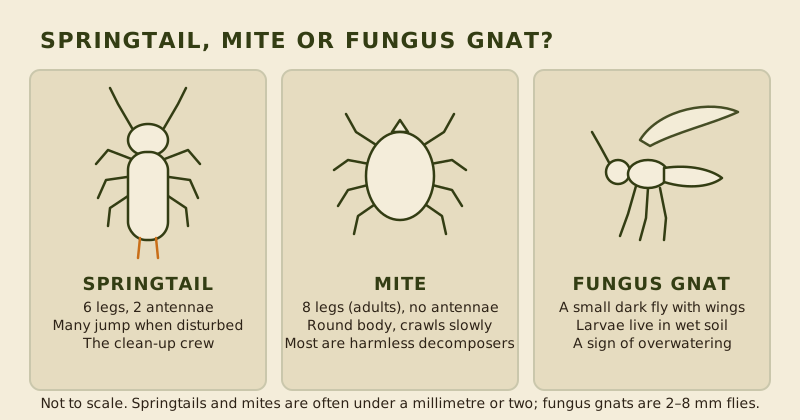
- Mites are arachnids: eight legs as adults, no antennae, and a rounded body. In a culture, round, slow-moving specks are most likely mites. Most mites are harmless decomposers and aren't a threat to your animals, but they compete with springtails and can take over a culture. Once established in a culture they're very hard to remove, so start a fresh culture from clean stock. Prevent them by feeding yeast only and not overfeeding, and by keeping the mix damp but never soggy.
- Fungus gnats are small, dark flies with wings. Their larvae live in wet soil and feed on the fungus growing in it, so they usually mean the substrate is too wet. Let the surface dry a little; yellow sticky traps catch the adults.
Springtails outside the enclosure#
Springtails need constant moisture. A few that escape into a dry room won't survive long. Large numbers turning up in a home, usually in damp bathrooms or basements, point to a moisture problem, and drying the area out is the fix.